Top Masonry Features That Increase Outdoor Living Enjoyment

Outdoor living spaces are no longer just a trend — they’re a lifestyle. Homeowners are investing more in creating functional, beautiful outdoor areas that extend the comfort of the indoors into the open air. And masonry features are at the heart of this transformation. With the right stonework, you can design a backyard oasis that’s perfect for relaxing, entertaining, and increasing your home’s value. Let’s explore the top masonry features that elevate outdoor living in Cape Cod and beyond. 1. Outdoor Kitchens Imagine cooking and dining under the sky, surrounded by natural stone. Benefits: Stone kitchens are both functional and luxurious. 2. Fire Pits and Fireplaces There’s nothing like gathering around a fire — it’s cozy, social, and timeless. Why they matter: Perfect for Cape Cod’s chilly evenings by the shore. 3. Stone Patios and Terraces Patios are the foundation of any outdoor living space. With masonry, you get: 🪨 Stone patios offer both practicality and elegance. 4. Seating and Retaining Walls Masonry walls aren’t just structural — they can be stylish and purposeful. Uses: Combine function and form in one element. 5. Stone Pathways and Walkways Guide guests through your landscape with charm and intention. Features: A well-designed walkway adds flow and character. 6. Water Features in Stone From waterfalls to small garden fountains, masonry brings elegance to water elements. Advantages: Combine stone and water for a spa-like feel. 7. Pool Surrounds and Coping Stone coping and decking around pools: Ideal for Cape Cod summers and backyard lounging. Great outdoor living is about more than furniture and grass — it’s about designing spaces that invite you to stay. Masonry features offer durability, elegance, and year-round functionality. Whether you’re entertaining guests or enjoying a peaceful morning coffee, the right stonework transforms your yard into a true extension of your home. Ready to elevate your outdoor lifestyle? Gade Masonry & Landscaping creates timeless outdoor spaces using premium materials and expert craftsmanship. Let’s build your dream backyard.
How to Maintain Your Masonry in Harsh Coastal Climates
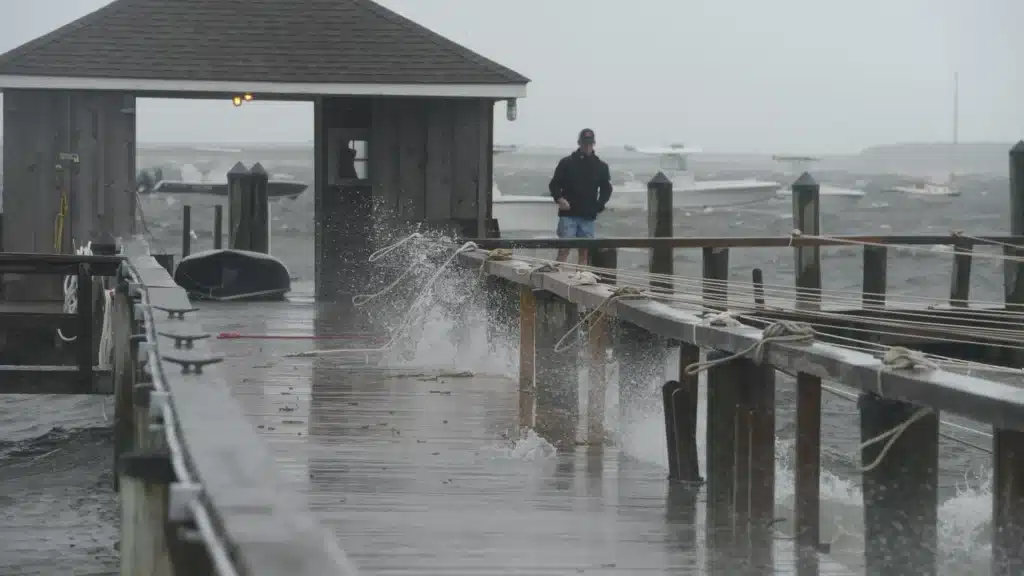
Living by the coast brings incredible views, fresh air, and a peaceful atmosphere — but also harsh weather conditions that can take a toll on masonry. Salt, humidity, wind, and temperature swings can weaken even the most solid stone or brick structures over time. Whether you have a stone patio, retaining wall, fireplace, or custom outdoor kitchen, regular maintenance is key to protecting your investment and preserving your home’s beauty. 1. Understand Coastal Climate Challenges The coastal environment creates a perfect storm of stressors: Even high-quality masonry needs help standing up to nature’s extremes. 2. Inspect Your Masonry Seasonally Do a full inspection at least twice a year — ideally in spring and fall. Check for: Early detection prevents bigger repairs later. 3. Clean Surfaces Gently but Regularly Use: Remove: Avoid harsh chemicals or wire brushes that can damage stone faces. 4. Seal Your Masonry (When Appropriate) In salt-prone areas, a breathable, water-repellent sealant can: Important: Not all stone types should be sealed — always consult a pro. 5. Mind the Drainage Water pooling near masonry is a major threat. Ensure: Proper drainage = longer masonry life. 6. Repair Damage Promptly Small cracks can let in water, salt, and ice — leading to expensive repairs later. Look for: Call a professional masonry contractor early to avoid escalation. 7. Avoid Plant Overgrowth Near Masonry Vines, moss, and roots can: Keep landscape neatly trimmed around masonry elements. Coastal homes require thoughtful care — and your stonework is no exception. With regular inspections, gentle cleaning, and smart sealing, your masonry will not only survive the coastal elements — it will shine for years to come. Need help protecting your coastal stonework? Gade Masonry & Landscaping offers inspections, repairs, and protective treatments tailored to Cape Cod’s unique environment.
How Masonry Enhances Property Value in Coastal Homes

Owning a home on the coast is a dream — but also a responsibility. Coastal properties are exposed to harsh conditions: salty air, heavy winds, sand abrasion, and moisture. To maintain and increase the value of your coastal home, you need materials that offer beauty, strength, and resilience. That’s where masonry stands out. From patios to retaining walls, stone fireplaces to walkways, masonry work isn’t just functional — it’s a long-term investment that boosts property value, curb appeal, and structural integrity. 1. First Impressions Matter: Curb Appeal Boost Stone walkways, steps, and facades immediately elevate your home’s appearance. Benefits: According to Realtor.com, homes with well-designed exteriors can sell for 7–14% more. 2. Durability in Coastal Conditions Cape Cod’s climate is beautiful, but challenging for construction. Why masonry is ideal: Long-lasting materials = lower lifetime costs. 3. Added Usable Space: Outdoor Living Areas Masonry enables the creation of functional, luxurious outdoor spaces: These features expand your livable space — a huge selling point for future resale. 4. Structural Integrity & Erosion Control In sloped or waterfront lots, retaining walls and stone edging help: Buyers are drawn to homes that show smart planning and long-term protection. 5. Low Maintenance, Long-Term Savings Unlike wood or composite materials, properly installed stonework: Over 10–20 years, this translates into significant savings for homeowners — and a premium at resale. 6. A Sense of Permanence and Prestige Stonework brings a classic, custom-built look to any home. It communicates: That “built-to-last” feeling reassures buyers and appraisers alike. Masonry isn’t just a design choice — it’s a financial strategy. For coastal homes, investing in professional masonry work means: Ready to add value and beauty to your coastal home? Let Gade Masonry & Landscaping help you transform your property with timeless craftsmanship and coastal durability.
Top Questions to Ask Before Hiring a Masonry Contractor

Hiring a masonry contractor isn’t just about comparing prices — it’s about choosing experience, quality, and trust. Whether you’re building a new patio, repairing a retaining wall, or redesigning your outdoor space, asking the right questions upfront will protect your investment and ensure long-lasting results. Before signing any contract, here are the 10 essential questions you should ask — and why they matter. 1. Are You Licensed and Insured? Make sure the contractor holds the necessary state or local licenses and carries: Why it matters: Protects you from liability in case of accidents or property damage. 2. Can You Share Examples of Past Work? Ask for a portfolio or references of recent projects — especially those similar to yours. Photos speak louder than promises. A contractor proud of their work will gladly share it. 3. How Many Years Have You Been in Business? Experience in your specific region (like Cape Cod) means: 4. Do You Specialize in Any Type of Masonry? Some contractors focus on brickwork, others on natural stone, concrete pavers, or outdoor kitchens. Choose a contractor with expertise aligned to your project. 5. What’s the Timeline and Availability? Understand: A realistic timeline shows professionalism and planning. 6. Do You Provide Written Estimates and Contracts? Always request: Avoid handshake deals — clarity prevents surprises later. 7. What Materials Do You Recommend and Why? A good contractor should: In Cape Cod, for example, freeze-thaw durability is critical. 8. Who Will Supervise the Project? Ask who will be on-site each day and whether the person quoting the job is the one managing it. You want consistent communication and quality control. 9. Do You Offer a Warranty? Reputable contractors often offer 1–5 year warranties for labor and workmanship. This adds peace of mind and shows confidence in their work. 10. Can I See Reviews or Speak to Past Clients? Online reviews are helpful, but speaking directly to past clients gives unfiltered insights. Bonus Tip: Trust Your Instinct Even if the answers sound great, pay attention to how the contractor communicates. Are they responsive? Do they explain things clearly? Do they listen to your goals? Hiring the right masonry contractor is more than a transaction — it’s a partnership. With the right questions, you’ll find a team that shares your vision, respects your budget, and delivers lasting beauty and strength. 📞 Looking for trusted masonry professionals in Cape Cod? Gade Masonry & Landscaping offers decades of experience, unmatched craftsmanship, and a commitment to excellence — from consultation to final stone.
Repointing vs Patch Pointing: What’s the Difference and When to Use Each

Masonry is known for its strength and longevity — but even the most solid structures require maintenance. Two common techniques used to repair stone or brick joints are repointing and patch pointing. Though they sound similar, they serve different purposes and deliver very different results. If your patio, retaining wall, or stone steps are showing signs of wear, understanding these terms can help you make informed decisions and protect your investment. 1. What Is Repointing? Repointing is the process of removing old, damaged mortar from between bricks or stones and replacing it entirely with new mortar. It’s often recommended when: It’s a comprehensive restoration — not just cosmetic. Benefits: Typical applications: 2. What Is Patch Pointing? Patch pointing, sometimes called spot pointing, is a temporary or localized repair method. Instead of removing all the old mortar, only the visibly damaged sections are filled or covered with new mortar. It’s often used when: This method is surface-level and doesn’t address deeper issues. Risks of patch pointing: 3. Repointing vs Patch Pointing: Side-by-Side Comparison Feature Repointing Patch Pointing Scope Full removal & replacement Spot filling only Durability Long-term Short-term Structural benefit High Minimal Cost Higher (but more effective) Lower (but short-lived) Aesthetic consistency Excellent Often poor When to use Widespread damage Small, isolated cracks 4. When Should You Choose Repointing? You should consider full repointing when: Note: Repointing is best done by skilled professionals to ensure proper depth, color matching, and long-term durability. 5. When Is Patch Pointing Acceptable? Patch pointing may work when: But remember: it’s a temporary measure. While both techniques have their place, repointing is the gold standard for structural repair and aesthetic renewal. Patch pointing is like a band-aid — helpful in a pinch, but not a long-term solution. 📞 Unsure which repair is right for your masonry? Contact Gade Masonry & Landscaping for a full assessment and expert recommendation — ensuring that your stonework stays strong, beautiful, and safe for years to come.
Best Season for Masonry Work in Cape Cod: When to Build, Repair, and Plan Ahead

Masonry work is a true investment in the beauty, structure, and value of your home. But timing is everything. Cape Cod’s unique climate — with its coastal humidity, cold winters, and mild summers — can significantly impact the quality, timeline, and durability of stonework projects. Whether you’re planning to build a patio, repair a retaining wall, or start a full landscaping redesign, this guide will help you understand the best time of year to move forward, and why choosing the right season matters. 1. Why Seasonality Matters for Masonry Masonry depends on several environmental factors for long-term success: A perfectly designed project can fail if built in the wrong conditions. 2. Spring: The Planning & Prep Season (March–May) Spring in Cape Cod is ideal for: Why it’s great: While the ground is thawing and rainfall is moderate, it’s the perfect time to schedule your summer installation. What to avoid: Starting actual masonry work too early in spring (when frost is still in the ground) can compromise the base preparation. 3. Summer: Prime Time for Installation (June–August) This is the peak season for masonry in Cape Cod. Ideal projects: Tip: Contractors book up quickly — start planning in early spring to secure your summer spot. 4. Fall: Perfect for Repairs & Retaining Walls (September–November) Early fall is an excellent time for maintenance and mid-size projects. Best use: Important: Projects should finish before the first frost, which usually hits in late November. 5. Winter: Not Ideal for Masonry (December–February) Cold temperatures, frozen ground, and unpredictable storms make winter unsuitable for most masonry work in Cape Cod. Risks include: Exceptions: Indoor stonework (like fireplaces) or off-season design planning. 6. Bonus Tip: Book Early and Beat the Rush Quality masonry contractors in Cape Cod — like Gade Masonry & Landscaping — tend to fill their spring and summer calendars fast. Booking early gives you: When it comes to masonry, the right timing protects your investment. By aligning your project with Cape Cod’s seasonal conditions, you ensure durability, safety, and maximum visual impact. 📞 Ready to start your project? Talk to Gade Masonry today and let’s plan your perfect patio, wall, or garden feature — at the perfect time.
Signs Your Stonework Needs Repair: Common Warning Signs and What to Do

Stonework is known for its durability, elegance, and timeless charm. But like any element exposed to the elements, even the most beautifully crafted masonry will eventually show signs of wear. Whether it’s your patio, retaining wall, walkway, or outdoor kitchen — recognizing the early signs of damage can save you thousands in future repairs and help preserve the integrity and safety of your property. Here’s a complete guide to identifying when your stonework needs attention — and what to do next. 1. Cracked or Loose Stones One of the most obvious red flags, cracks in stones or mortar joints often indicate: Left unattended, small cracks can grow and compromise the entire structure. What to do: Hire a professional to assess whether it’s surface-level cosmetic damage or deeper structural shifting. Prompt repointing or stone replacement may be required. 2. Efflorescence (White Powder) Have you noticed a white, chalky substance forming on your stone or brick surfaces? This is efflorescence, a common sign of moisture migration through the masonry. When water evaporates, it leaves behind salt deposits. What it means: There’s excess moisture in your stone or the foundation isn’t draining properly. Solution: 3. Leaning or Bulging Walls If your retaining wall or exterior wall is bowing outward or tilting, take it seriously. This can be a sign of: A leaning wall is a structural hazard and can collapse without warning. Action: Stop using the area near the wall and schedule a professional structural evaluation immediately. 4. Spalling (Flaking or Peeling Stone Surface) Spalling is when the surface of stone or brick flakes off or breaks apart, usually due to: What to look for: Fix: Depending on severity, stones can be resurfaced or replaced. A good sealant can help prevent future damage. 5. Mortar Deterioration (Crumbling Joints) Mortar acts as the glue holding stone structures together. When it begins to crack, crumble, or wash away, your masonry loses strength. Signs of mortar damage: Solution: Professional repointing (removing and replacing mortar) restores structural integrity and appearance. 6. Water Pooling Around the Base Water that collects or pools near stone structures — especially patios and walls — can indicate: Impact: Trapped water accelerates deterioration and increases freeze-thaw damage in cold climates like Cape Cod. 7. Discoloration or Mold Growth Dark stains, greenish mold, or uneven coloration usually point to moisture retention or lack of sun exposure. Mold isn’t just unattractive — it can degrade the stone and create slippery, unsafe surfaces. Tip: Have your stonework professionally cleaned and inspected for proper drainage and ventilation. When Is It Time to Call a Masonry Professional? If you notice any of the following: …it’s time to bring in a certified expert. A company like Gade Masonry will perform a full assessment, recommend the best course of action, and execute repairs that extend the life and appearance of your stonework. Stone doesn’t lie. Every crack, stain, or bulge is trying to tell you something. Catching the warning signs early ensures your property remains not only beautiful — but also safe and structurally sound. 📞 Think your stonework might need attention? Schedule a consultation with Gade Masonry & Landscaping and let our experts bring your structures back to life — with the care, precision, and excellence we’re known for.
12 Masonry Ideas to Transform Your Garden with Elegance and Durability

A well-designed garden is not just about plants — it’s about structure, flow, and timeless elegance. Masonry plays a crucial role in creating outdoor spaces that are both functional and beautiful. From retaining walls to walkways, fire pits to custom patios, stonework adds a layer of luxury and permanence that elevates any garden. Whether you’re starting from scratch or upgrading your existing landscape, here are 12 premium masonry ideas that can transform your garden into a stunning extension of your home. 1. Natural Stone Walkways A natural stone walkway is both inviting and enduring. It guides movement through the garden while creating texture and charm underfoot. Choose flagstone for an organic look or bluestone for a modern, clean finish. Tip: Add low garden lighting along the path for dramatic effect at dusk. 2. Custom Paver Patios A well-built patio becomes the heart of your outdoor living area. Pavers offer durability, design flexibility, and a wide range of colors and patterns. They’re ideal for dining areas, lounge zones, or even outdoor yoga spaces. Why it works: Unlike poured concrete, pavers are easy to repair and adapt over time. 3. Stone Retaining Walls with Visual Flow Retaining walls aren’t just functional — they can be architectural centerpieces. Use tiered stone walls to create levels, add depth, and manage sloped terrain gracefully. Pro Tip: Integrate planters or built-in benches for beauty and function. 4. Masonry Fire Pits for All Seasons A fire pit brings warmth and ambiance to chilly Cape Cod evenings. Masonry fire pits are long-lasting, safe, and easily customizable to match the style of your home. Add-on: Surround with a circular stone seating wall for intimate gatherings. 5. Outdoor Kitchens in Stone Bring the party outside with a fully equipped outdoor kitchen built in natural stone or brick. Include a grill station, countertop, sink, and even a wood-fired pizza oven. Design note: Stone helps regulate temperature and blends seamlessly with landscaping. 6. Stone Staircases and Steps Transitioning between levels in your yard? Natural stone stairs combine safety with beauty. Use granite or limestone steps flanked by stone walls or soft lighting for an elevated effect. 7. Cobblestone Borders and Edging Define garden beds, driveways, or patio edges with cobblestone borders. These details prevent soil spillover and add old-world elegance. Style tip: Pair with gravel paths or modern grass joints for contrast. 8. Raised Planters in Stone Elevated garden beds constructed from stone add texture and practicality. They offer better drainage, make planting easier, and look stunning year-round. Best for: Vegetable gardens, ornamental flowers, or herb spirals. 9. Stone Water Features From trickling fountains to koi ponds, water features framed in stone add motion, sound, and serenity. They’re ideal for meditation areas or creating visual focal points. Pro Tip: Integrate LED lighting inside the water for dramatic nighttime impact. 10. Wall Seating with Integrated Masonry Built-in benches or seat walls made from stone provide practical, low-maintenance seating areas. Ideal around fire pits, patios, or garden nooks. Bonus: Add cushions or keep it clean and architectural. 11. Stone Columns or Pillars Flank your driveway, garden gate, or entry path with stone columns. They can support lighting fixtures, mailboxes, or simply serve as an impressive entrance statement. 12. Outdoor Showers or Pool Features in Stone For homes with pools or beach proximity, a masonry outdoor shower adds a coastal-luxury feel. Frame the space with stacked stone or smooth tile for a spa-like experience. Benefits of Adding Masonry to Your Landscape Masonry is more than stone — it’s structure, presence, and legacy. Whether you’re looking to create a tranquil retreat, an entertainer’s dream yard, or simply increase your property value, these masonry elements are the foundation of a landscape that will stand the test of time. Ready to upgrade your garden with timeless masonry features? Contact Gade Masonry & Landscaping for a custom consultation and discover how we bring beauty and craftsmanship together — stone by stone.